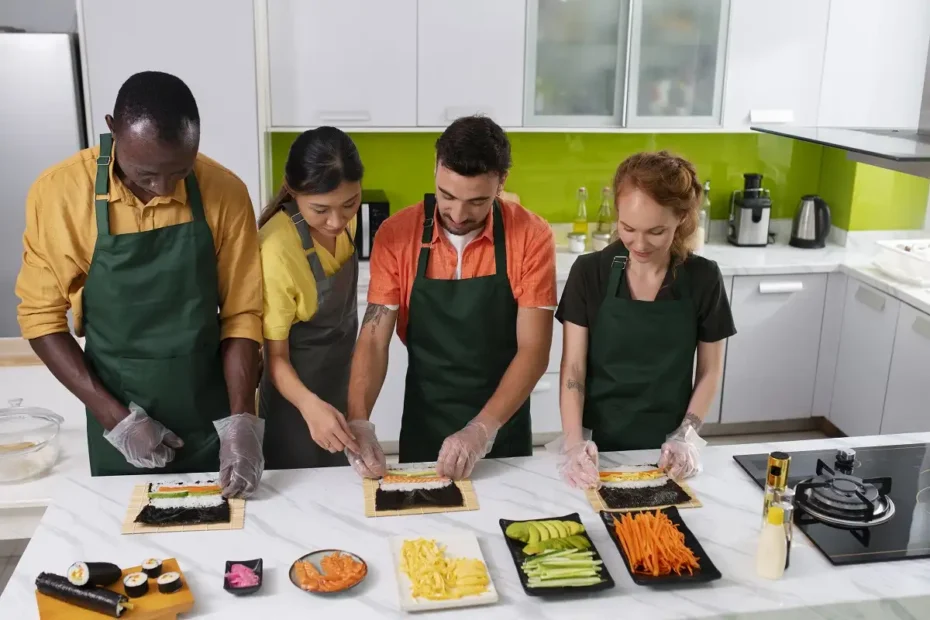
Have you ever wondered how to recreate the flavors of your favorite dishes at home? The culinary arts go beyond simple food preparation as they celebrate culture, creativity, and the joy of sharing meals. Cooking classes provide a structured way to learn, helping both beginners and experienced cooks develop confidence through hands-on experience and expert guidance. They also introduce new ingredients, techniques, and global cuisines, deepening appreciation for the art of cooking. Whether it’s for personal fulfillment or a step toward a culinary career, learning to cook is an investment in skill, passion, and memorable dining experiences. Keep reading to discover how cooking classes can be a transformative journey toward becoming the confident chef you’ve always wanted to be.
Exploring the Benefits of Cooking Classes for Personal Growth
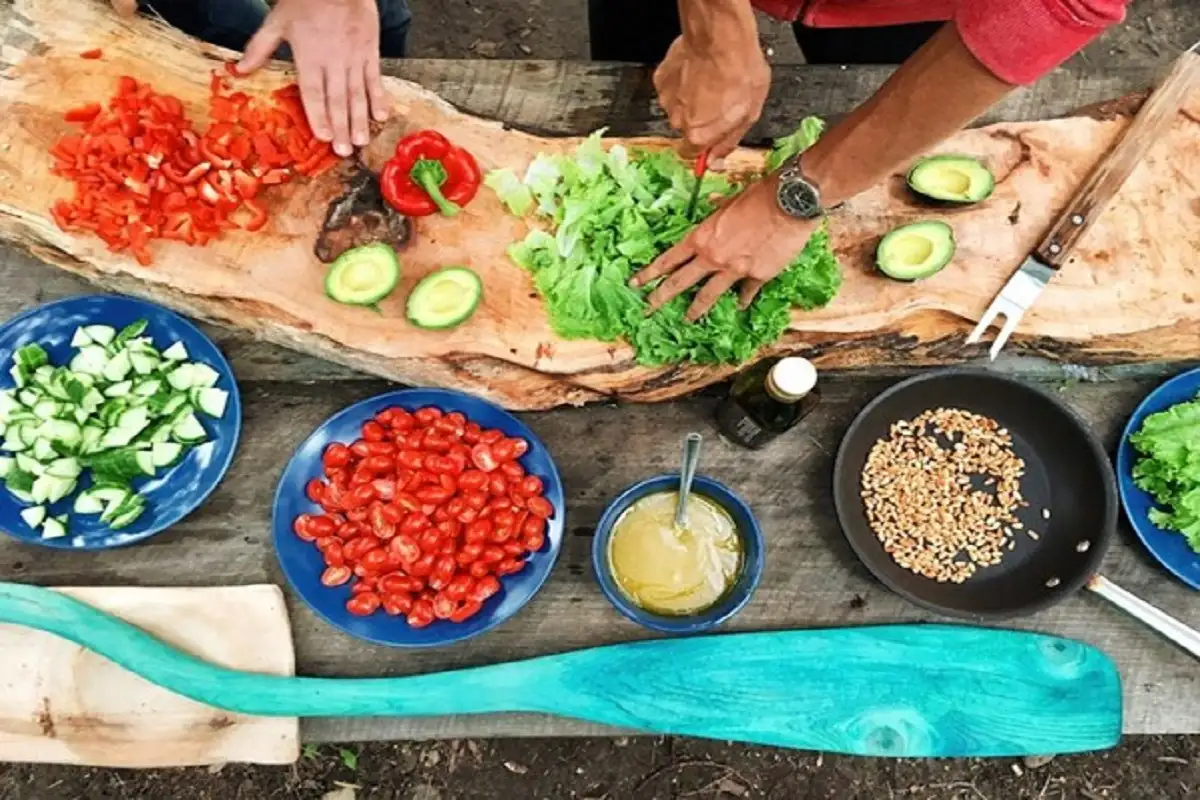
The kitchen is more than a place to prepare food; it’s a space for growth, creativity, and self-discovery. Joining a cooking class NYC offers more than just lessons on technique; it builds confidence, patience, and adaptability. Each dish prepared becomes a reflection of focus and personal expression, turning the art of cooking into both a skill and a form of therapy.
Beyond creativity, cooking classes cultivate practical life skills. They teach organization, planning, and mindfulness while inspiring healthier eating habits through a deeper understanding of ingredients. The lessons learned in the kitchen often extend far beyond it, shaping more disciplined, balanced, and fulfilling lifestyles.
The Social Spice: How Cooking Classes Foster Community and Connection
Cooking classes serve as dynamic spaces for social connection, bringing together people who share a love for food. In these lively environments, participants build friendships through shared experiences, from celebrating successful dishes to laughing over mistakes. The collaborative nature of cooking promotes teamwork and communication, teaching coordination and mutual support essential both in and out of the kitchen.
These classes also encourage cultural exchange, where stories, traditions, and recipes intertwine, enriching everyone’s understanding of diverse backgrounds. For many, the kitchen becomes a space of belonging and interaction, where conversations flow naturally, and a sense of community grows through shared passion and cooperation.
From Novice to Gourmet: The Skill-Building Journey in the Kitchen
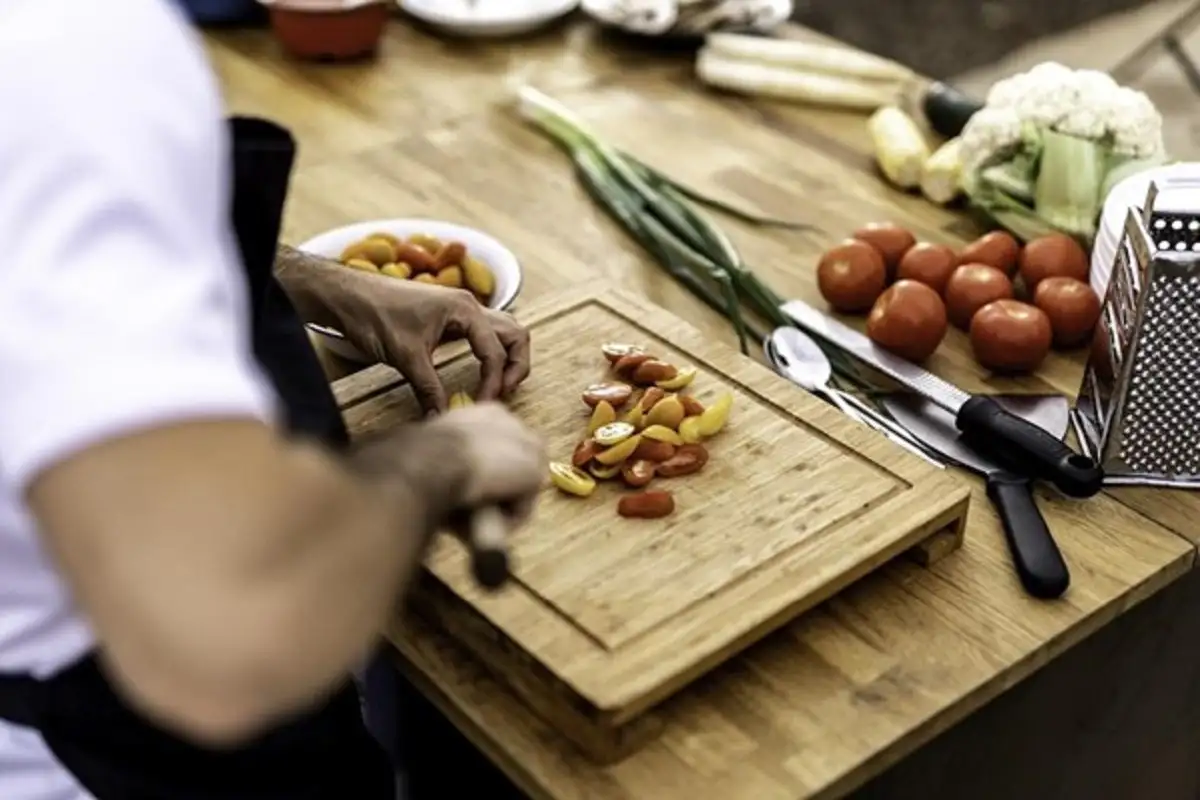
Culinary education offers a rewarding journey of skill development and creativity. Beginners start with essential techniques like knife handling, boiling, and seasoning, gaining confidence through mastering the basics. As they progress, students explore advanced methods such as baking pastries, searing steaks, and using sous vide, guided by instructors who foster growth and precision.
The continuous learning process keeps even experienced cooks motivated, with advanced classes focusing on plating, food chemistry, and refinement of flavors. Through this progression, students evolve from novices to skilled cooks capable of crafting unique dishes, blending technical expertise with personal creativity while maintaining a lasting passion for the culinary arts.
Cooking Classes as a Gateway to Cultural Exploration and Appreciation
Enrolling in cooking classes offers a journey through global cultures, where cuisine becomes a flavorful expression of identity. Students discover new ingredients, spices, and traditional methods while uncovering the stories behind international dishes. These classes provide a sensory experience that deepens cultural understanding through taste, sight, and smell, fostering empathy and appreciation for diversity.
Beyond the kitchen, they often inspire travel as learners explore authentic flavors in local markets and eateries. For those with cultural roots abroad, cooking becomes a meaningful way to reconnect with heritage, preserving family traditions and strengthening ties to ancestral identities through the preparation of traditional recipes.
Overall, the benefits of taking cooking classes extend far beyond the ability to whip up a tasty meal. They promote personal growth, foster social connections, refine practical skills, serve as a conduit for cultural exploration, and transform the way we think about and appreciate food. Aspiring cooks of all levels leave these classes better equipped not only to navigate the culinary world but to enrich their daily lives with the flavors they’ve learned to create.