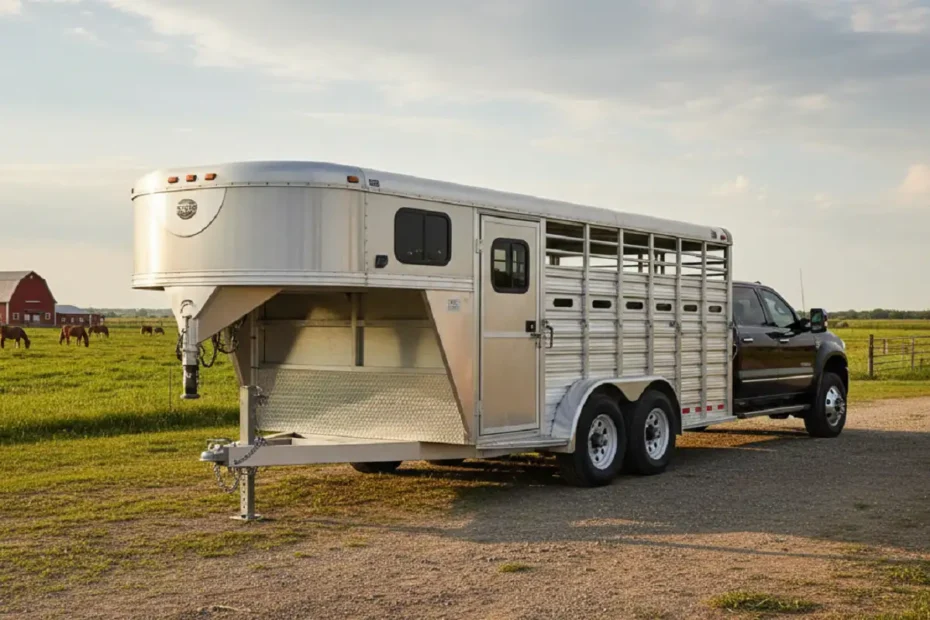
Transporting livestock safely and efficiently is key for any farm or ranch operation. Selecting the proper bumper pull livestock trailer is not only a matter of convenience but also of animal welfare and legal compliance. Whether for short trips to the vet or longer hauls to market, the right trailer ensures that your animals arrive in good condition. In this article, we’ll explore the key factors to consider when choosing a livestock trailer that meets your needs.
Understanding the Different Types of Bumper Pull Livestock Trailers
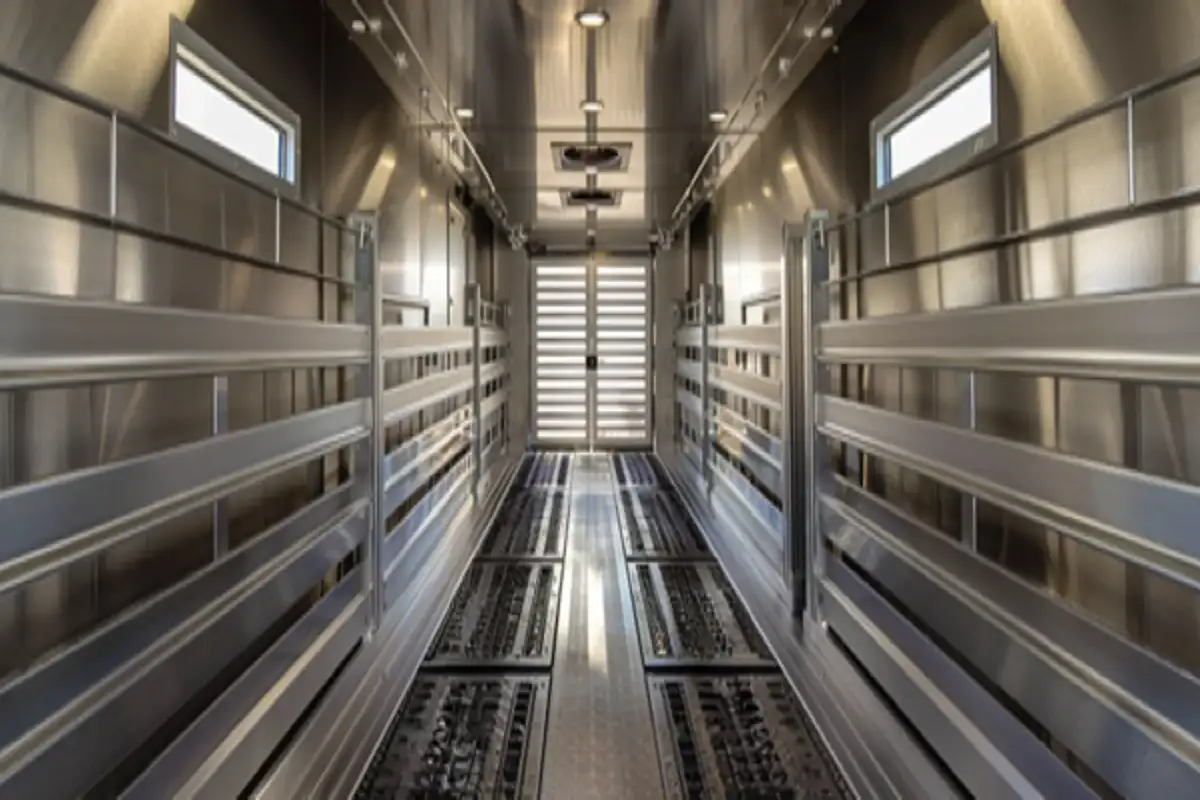
Determining the best type of bumper-pull livestock trailer begins with understanding the available options. There are basic open-stock trailers, which offer simple, well-ventilated transport for a variety of animals. However, these might not be suitable for harsh weather conditions or long distances. Enclosed trailers, on the other hand, protect from the elements and offer more security for the animals.
The materials used in construction also vary, with aluminum and steel being the most common. While steel trailers tend to be more affordable and robust, aluminum trailers, such as a bumper pull livestock trailer, are lighter, offer better corrosion resistance, and often have higher resale value. This is an important consideration, especially if you’re looking to minimize the trailer’s weight.
Additionally, the interior design of the trailers can significantly impact the safety and comfort of livestock. Some trailers come with adjustable partitions, rubber flooring, and other features to accommodate different types and sizes of animals. Knowing the specific needs of the animals you transport is crucial to choosing the appropriate interior configuration.
Key Features To Consider When Selecting a Bumper Pull Livestock Trailer
After understanding the types of trailers, the next step is to focus on specific features. Ventilation is crucial for maintaining a healthy environment during transport, so it’s essential to assess the number and position of air vents or windows. Adequate airflow ensures that animals are not stressed by heat or poor air quality during their journey.
Meanwhile, the trailer’s suspension system can impact both the smoothness of the ride and the trailer’s longevity. A superior suspension will reduce wear and tear on the trailer and vehicle, as well as minimize stress on the animals. Please note whether the trailer has a leaf spring or torsion suspension, as each has its own advantages.
Flooring is another feature that warrants attention. Non-slip surfaces are crucial in preventing animals from slipping and falling during transit. Some trailers offer removable flooring, which makes cleaning easier after transporting animals. It’s a feature that can save significant time and effort in the long run.
Assessing Your Vehicle’s Towing Capacity and Compatibility
Before purchasing a livestock trailer, it is imperative to consider the towing capacity of the vehicle you plan to use. Towing a trailer that exceeds your vehicle’s rated capacity can be dangerous and may cause damage to your vehicle. Always refer to the owner’s manual or the manufacturer’s website to determine the maximum weight your vehicle can safely tow.
Compatibility also extends to the trailer hitch system. A bumper pull trailer will require a different setup than a gooseneck trailer, and it’s crucial to have the correct type of ball hitch and brake controller installed. Ensure that the trailer’s coupler and the vehicle’s hitch are matched in size and type.
It’s not just about the vehicle’s power either; you must also check its braking system. Many states require trailers of a certain weight to have their own braking systems that work synchronously with the towing vehicle for added safety. This might involve installing additional electronic systems in your car.
Navigating State Regulations and Safety Standards for Livestock Trailers

State regulations for transporting livestock vary widely, so it’s crucial to understand the laws in your area and any states you travel through. This includes trailer weight limits, required documentation, and animal welfare expectations, as non-compliance can lead to fines.
Safety standards are also important. Features like reflective markings, proper lighting, and secure latches may be legally required to prevent accidents. When crossing state lines, you may need additional health certificates and identification tags for the animals. Having these ready is essential to avoid transport delays. Regularly checking with local authorities or industry associations can help you stay updated on any regulatory changes, ensuring compliance at all times.
Selecting the right bumper pull livestock trailer involves a blend of understanding your needs, matching vehicle requirements, adhering to legal standards, and maintaining the trailer properly. By taking the time to choose wisely and commit to regular upkeep, you can secure the welfare of your livestock and the reliability of your means of transport for years to come.